Nutrition & Lifestyle
Everyday choices. Better understanding. Healthier habits.
Our everyday routines can influence many aspects of health, from energy levels and sleep to cardiovascular wellbeing and long-term disease risk.
But with so much conflicting advice about food, exercise, supplements and lifestyle trends, knowing what to believe isn't always straightforward.
At The Health Edit, we look beyond the headlines to explore what research actually tells us about nutrition and healthy living.
Our approach is practical, inclusive and realistic — recognising that health is influenced by far more than individual choices alone.
No miracle cures. No unnecessary pressure. Just accessible information to help you make informed decisions that work for your life.
In-depth guides
Digestive Health
A friendly guide to how digestion works, common symptoms and conditions, and when it may be time to get advice.
Heart Health
Understand how your heart and circulation work, explore common conditions and tests, and find practical ways to care for your heart at every stage of life.
Type 2 Diabetes
Clear guidance on type 2 diabetes, from understanding blood glucose and diagnosis to treatment, everyday care and support.
Weight Management
A respectful, evidence-informed guide to body weight, health, support and treatment options—without judgement or one-size-fits-all promises.
Neurodiversity and food: flexible ideas that may help
Flexible food and mealtime ideas for neurodivergent adults, parents and carers.
Inflammation
What inflammation is, why it matters for long-term health, and the everyday factors that may influence it.
Alcohol
Clear, non-judgemental information on how alcohol can affect health, how units work, and where to find support.
Sugar
A balanced look at free and naturally occurring sugars, inflammation and long-term health, without labelling foods as simply good or bad.
Nutrition and brain health: foods and eating patterns
What research says about eating patterns, brain health, Alzheimer’s disease and dementia, for adults, older people and anyone supporting a person with dementia.
What You Should Know
Understand international guidance on balanced eating, physical activity and sleep, and learn how to spot misleading health claims.
Read the essentialsLatest Discoveries
Discover what new nutrition and lifestyle research really shows, with clear explanations of how strong the findings are.
See the researchExplore This Topic
Latest in Nutrition & Lifestyle

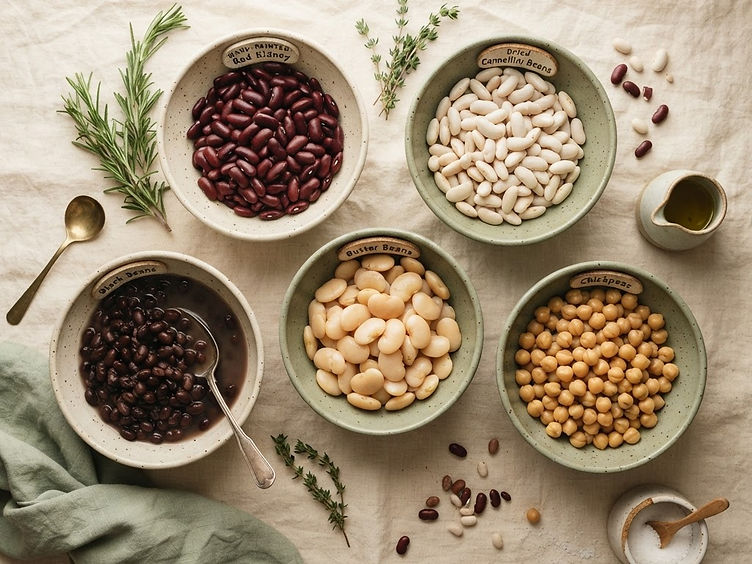
Beans: a nutritious, affordable and sustainable choice
Beans are a simple, versatile source of plant protein, fibre, vitamins and minerals, and a practical way to support both your health and a more sustainable food system.
26 Oct 2026 · 5 min read

Chicken broth: why is it so good for the immune system?
26 Oct 2026 · 4 min read


10 fabulous foods to help support the immune system this autumn
26 Oct 2026 · 5 min read


Mushrooms: why are they so good for health?
26 Oct 2026 · 5 min read

Eat for Energy: How the Right Foods Can Help You Feel Better, Stay Focused and Thrive
12 Oct 2026 · 8 min read
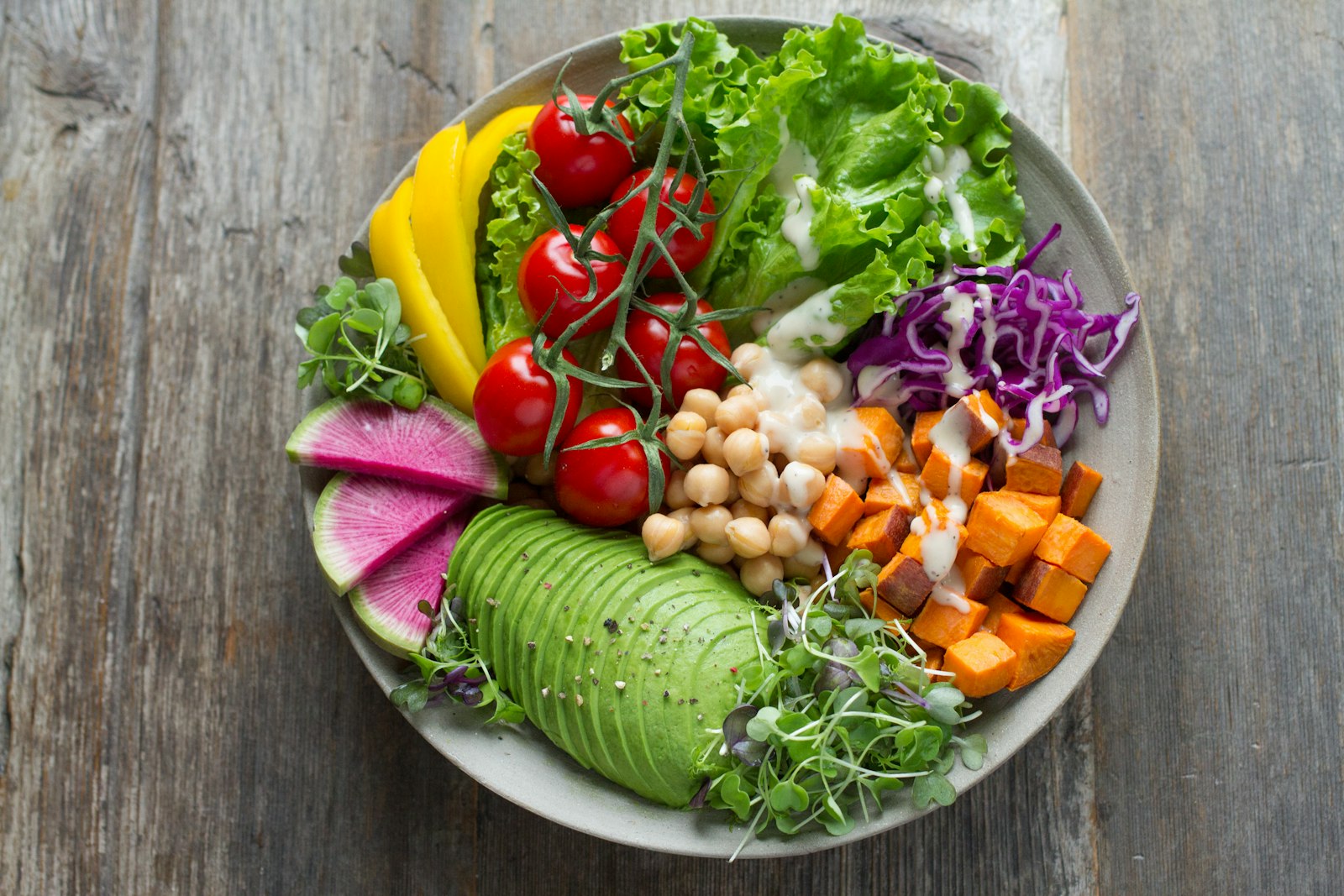
The gut microbiome: what it is and why it matters
11 Oct 2026 · 6 min read

Eating for your gut: beyond the hype
2 Oct 2026 · 7 min read
Research & Discoveries
Every research story we publish is clearly labelled, so you know how strong the evidence is.
Established evidence
Supported by robust clinical studies and guidance.
Emerging research
Promising findings that need further confirmation.
Early-stage findings
Laboratory, animal or small early studies.
- Insufficient evidence
Can salmon, walnuts, green tea and dark chocolate delay ageing by 12 years?
26 Oct 2026
Frequently Asked Questions
What does a balanced diet look like?
+
Most national guidelines, including the World Health Organization's, recommend plenty of fruit and vegetables, wholegrains, pulses, nuts and some protein, with less salt, sugar and saturated fat. Examples include the UK's Eatwell Guide and the US MyPlate. Individual needs vary.
How much physical activity is recommended for adults?
+
World Health Organization guidelines, echoed by many countries including the UK and US, suggest at least 150 minutes of moderate activity or 75 minutes of vigorous activity a week, plus strengthening activities on at least two days. Any activity is better than none.
Can nutrition influence long-term health?
+
Yes. Dietary patterns are linked with the risk of conditions such as heart disease, type 2 diabetes and some cancers. Overall patterns matter more than any single food.
Do healthy adults need supplements?
+
Most people can get what they need from a varied diet. Common exceptions include folic acid before and during early pregnancy, and vitamin D for people with limited sun exposure (many health authorities advise it during darker months). Advice varies by country and individual needs.
How important is sleep for health?
+
Very. Sleep supports memory, mood, immunity and metabolism. Most adults need around 7 to 9 hours, and ongoing poor sleep is linked with a range of health problems.
How can I recognise misleading health claims?
+
Be wary of promises of quick results, 'miracle' cures, claims based on a single study, or advice tied to selling a product. Look for information from trusted sources such as the World Health Organization or your national health service, and check who wrote it and what evidence they cite.
Stay Curious. Stay Informed.
The latest discoveries and expert insights, delivered to your inbox.
The Health Edit provides general educational information and does not replace advice, diagnosis or treatment from a qualified healthcare professional.