Eat for Energy: How the Right Foods Can Help You Feel Better, Stay Focused and Thrive
Feeling tired, sluggish or struggling through that afternoon energy dip? What you eat, when you eat and how you nourish your body can make a real difference to how you feel throughout the day.
12 Oct 2026 · 8 min read
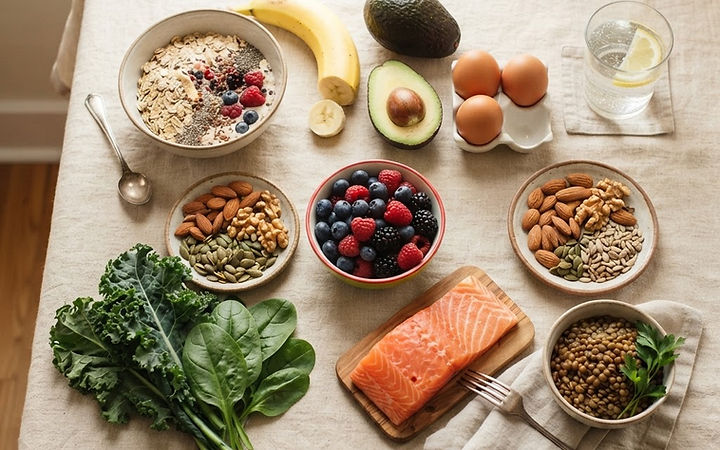
We all have those days when our energy seems to disappear before lunchtime. Perhaps you're waking up tired, reaching for something sweet mid-afternoon or finding it difficult to concentrate.
But what if a few simple changes to your everyday diet could help?
Food is so much more than fuel. It provides the nutrients our bodies need to support brain function, muscle health, metabolism, immunity and healthy ageing.
And while no single food can magically transform your energy levels, eating a varied, balanced diet can help you feel more energised, focused and ready to enjoy life.
The good news? You don't need expensive supplements, complicated diets or the latest superfood trend to get started.
Why does what we eat affect our energy?
Our bodies convert carbohydrates, fats and proteins into energy through a series of complex metabolic processes.
The type of food we eat, and the combination of nutrients in each meal, can influence how steadily energy is supplied and how satisfied we feel.
For example, a sugary snack may provide a quick source of carbohydrate, but it might not keep hunger at bay for very long. A balanced meal containing fibre, protein and healthy fats can provide longer-lasting satisfaction.
Nutrients including iron, magnesium and B vitamins also play important roles in normal energy metabolism.
And don't forget hydration. Even mild dehydration can leave us feeling less alert and more fatigued.
10 foods to help support your energy naturally
1. Oats – slow and steady energy. Oats are rich in complex carbohydrates and soluble fibre, making them a satisfying breakfast choice. Try porridge topped with berries, nuts and natural yoghurt.
2. Bananas – nature's convenient snack. Bananas provide carbohydrates, vitamin B6 and potassium, which supports normal muscle and nerve function. Perfect before a walk or when you're on the move.
3. Avocados – healthy fats for everyday wellbeing. Rich in unsaturated fats and fibre, avocados make a satisfying addition to meals. Pair with wholegrain toast and eggs for a balanced breakfast.
4. Nuts and seeds – small but mighty. Almonds, walnuts, pumpkin seeds and chia seeds provide a combination of protein, healthy fats, fibre and minerals. A small handful makes a convenient snack.
5. Eggs – protein and essential nutrients. Eggs provide high-quality protein, vitamin B12 and choline. Protein helps maintain muscle mass, particularly important as we get older.
6. Leafy greens – nutritional powerhouses. Spinach, kale and other leafy vegetables provide folate and other essential nutrients. Some also contribute iron, although plant-based iron is less readily absorbed than iron from animal foods.
7. Oily fish – supporting brain and heart health. Salmon, sardines and mackerel contain omega-3 fatty acids, protein and vitamin B12. They can contribute to a heart-healthy eating pattern.
8. Lentils and beans – fibre-rich fuel. Packed with complex carbohydrates, plant protein and fibre, pulses are an affordable way to make meals more filling and nutritious.
9. Berries – colourful nutrition. Blueberries, strawberries and raspberries provide fibre, vitamin C and plant compounds called polyphenols. They're a lovely addition to breakfast or yoghurt.
10. Water – the overlooked essential. Water doesn't contain calories or provide energy directly, but staying hydrated supports normal physical and cognitive function. Keep a glass or bottle nearby throughout the day.
The afternoon energy slump: what's really happening?
It's around 3pm. Your concentration is fading, you're feeling sleepy and suddenly that biscuit tin looks very appealing. Sound familiar?
An afternoon dip in alertness is partly linked to our natural circadian rhythm, the internal clock that helps regulate sleep and wakefulness. Other factors can make it more noticeable, including poor sleep, dehydration, large meals and long periods of sitting.
Try these simple changes:
- Choose a lunch containing protein, vegetables and fibre-rich carbohydrates.
- Drink water regularly.
- Take a short walk outdoors after eating.
- Try a nutritious snack if you're genuinely hungry.
- Avoid relying on repeated caffeine boosts to get through the day.
Remember, feeling sleepy after lunch doesn't necessarily mean you've eaten the wrong foods. Our bodies naturally experience fluctuations in alertness.
Is breakfast really the most important meal of the day?
Breakfast can be a helpful opportunity to provide your body with nutrients after an overnight fast, but it isn't essential for everyone. Some people feel their best eating breakfast soon after waking, while others prefer to eat later.
What matters more is your overall nutritional intake and finding a routine that works for your health, appetite and lifestyle.
If you enjoy breakfast, consider combining:
- Wholegrains for carbohydrates and fibre.
- Protein from eggs, yoghurt, tofu or nuts.
- Fruit or vegetables for vitamins and plant nutrients.
- Healthy fats from seeds, nuts or avocado.
Energy, metabolism and longevity: why nutrition matters as we age
One of the most exciting areas of nutrition research is its relationship with healthy ageing. As we get older, maintaining muscle mass, bone strength, metabolic health and cardiovascular wellbeing becomes increasingly important.
Protein helps maintain muscle tissue, while calcium and vitamin D contribute to bone health. Fibre supports digestive health, and unsaturated fats can form part of a heart-healthy diet.
Nutrition alone cannot prevent ageing, but it is one of several lifestyle factors that can influence how well we age. Combined with regular movement, resistance exercise, restorative sleep and avoiding smoking, good nutrition can help support a healthier, more active life.
Could a vitamin or mineral deficiency be affecting your energy?
Sometimes, persistent tiredness may be linked to a nutritional deficiency. A few important nutrients to be aware of:
- Iron helps transport oxygen around the body. Found in meat, beans, lentils and fortified cereals.
- Vitamin B12 supports red blood cells and nerve function. Found in fish, eggs, dairy and fortified foods.
- Folate supports healthy red blood cell formation. Found in leafy greens, pulses and fortified foods.
- Magnesium contributes to normal energy metabolism. Found in nuts, seeds and wholegrains.
- Vitamin D supports muscle and bone health. Found in oily fish, fortified foods and through sunlight exposure.
Not everyone needs supplements, and taking more than you need won't necessarily improve your energy. Some supplements can be harmful in excessive amounts or interact with medicines. If tiredness is persistent, a healthcare professional can assess whether testing is appropriate. Explore our Supplement A–Z Library for evidence ratings and safety notes.
A simple one-day eating plan for balanced energy
- Breakfast: Overnight oats with berries
- Lunch: Colourful grain and protein bowl
- Afternoon snack: Apple and nut butter
- Dinner: Salmon, sweet potato and greens, or try tofu or lentils as a plant-based alternative.
This is an example rather than a prescribed diet. Portions and meal choices should reflect individual nutritional requirements, medical needs, food preferences and activity levels. Find more ideas in our Recipes section.
When tiredness is about more than food
Although nutrition can make a difference, persistent fatigue isn't always caused by what we eat. Other possible contributors include:
- Poor sleep or sleep apnoea.
- Iron-deficiency anaemia.
- Thyroid disorders.
- Diabetes or changes in blood glucose.
- Menopause and hormonal changes.
- Stress, anxiety or depression.
- Certain medications or chronic health conditions.
If you're regularly exhausted despite eating well and getting adequate rest, it's worth speaking with a healthcare professional.
Seek urgent medical attention by calling your local emergency number if fatigue occurs alongside severe chest pain, significant breathlessness, fainting or other serious symptoms.
Frequently asked questions
What are the best foods for natural energy? Wholegrains, fruit, vegetables, beans, nuts, seeds, eggs and other protein-rich foods can all contribute to a balanced diet that supports normal energy metabolism.
What should I eat when I feel tired? If you're hungry, try a combination of carbohydrate and protein, such as fruit with yoghurt, wholegrain toast with eggs or an apple with nut butter. Hydration and adequate sleep matter too.
Can drinking more water improve energy? If you're dehydrated, drinking enough fluid may help reduce dehydration-related fatigue and improve alertness. Drinking extra water beyond your needs won't necessarily boost energy.
Does sugar cause an energy crash? Sugary foods can cause a relatively rapid rise in blood glucose, but energy changes depend on the meal, your metabolism and other factors. Not everyone experiences a noticeable crash.
Do I need supplements for more energy? Not necessarily. Supplements are most helpful when they address an identified deficiency or specific nutritional need. Persistent tiredness should be assessed rather than automatically treated with supplements.
Can eating well help with longevity? A balanced dietary pattern rich in vegetables, fruit, wholegrains, pulses and unsaturated fats is associated with better long-term health outcomes. It works best alongside other healthy lifestyle habits.
The Health Edit takeaway
Feeling energised isn't about chasing the latest wellness trend or finding one magical ingredient. It's about giving your body what it needs, consistently.
A nourishing breakfast, a colourful lunch, enough water, a little movement and better sleep may sound simple, but together these habits can make a meaningful difference.
And perhaps that's the most encouraging thing about healthy living: small, sustainable changes can help you feel better today while supporting your health for the years ahead.
Know more. Live better.
Track your energy
Want to spot patterns over time? Record your daily energy, sleep and mood in the My Health Hub symptom tracker. It's a personal record to help you notice trends and talk to a professional, not a diagnostic tool.
Sources and further reading
Reviewed by
General educational information only. It does not replace advice, diagnosis or treatment from a qualified healthcare professional.