Eating for your gut: beyond the hype
What the evidence really supports about fibre and fermented foods.
2 Oct 2026 · 7 min read

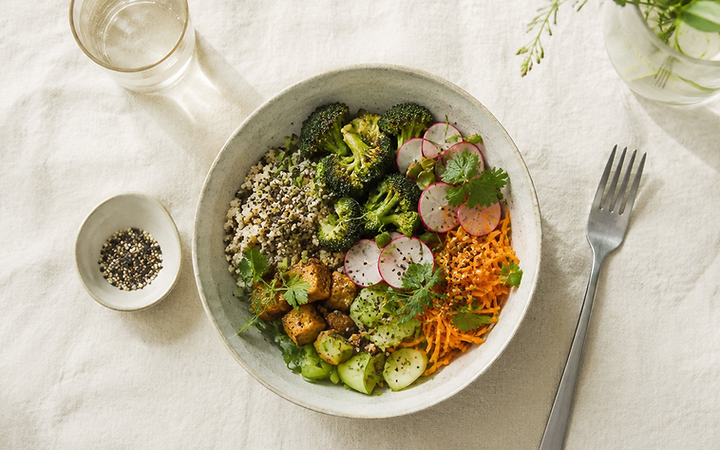
Gut health advice can be confusing. One person recommends a supplement, another promises a “reset”, and suddenly it can feel as if you need to change everything you eat. The reassuring truth is that there’s no single perfect gut routine. Digestion is personal, and a few steady basics are often a better place to start than big promises.
Start with the basics: fibre and variety
Fibre helps support digestion and can help prevent constipation. Many health bodies around the world, including the NHS and the World Health Organization, recommend that adults aim for around 25 to 30 grams of fibre a day, from foods such as wholegrain bread and cereals, oats, beans, vegetables and fruit. If you are eating much less fibre now, increasing it gradually and drinking enough fluid may be more comfortable. The NHS guide to foods that can help digestion has practical examples.
Variety matters too. Different plant foods provide different fibres, but there is no need to chase an expensive list of ingredients. Start with foods you enjoy and can access. If certain foods reliably trigger symptoms, a food and symptom diary may help you discuss patterns with a clinician or dietitian.
Probiotics are not one-size-fits-all
Probiotics are live microorganisms found in some foods and supplements. There is some evidence that particular products may help with particular problems, such as some IBS symptoms, but evidence for many broad health claims is limited. Products can contain different strains, and results from one product cannot automatically be applied to another. The NHS overview of probiotics explains these limitations.
Be cautious with big promises
You do not need to “detox” your gut or buy a test or supplement simply because it is trending. If you have ongoing digestive symptoms, a diagnosed condition, a weakened immune system or questions about supplements, ask a healthcare professional for advice. A doctor or registered dietitian can help you decide whether a specific approach is appropriate.
Your gut doesn’t need a dramatic reset. Start with one manageable change—perhaps adding oats, beans or another fibre-rich food you enjoy—and notice how your body responds. If digestive symptoms keep troubling you, ask for advice rather than feeling you have to work it all out alone.
Reviewed by
General educational information only. It does not replace advice, diagnosis or treatment from a qualified healthcare professional.