The gut microbiome: what it is and why it matters
Your gut is home to a vast community of microscopic life. Here's what the science really says, and simple ways to care for it.
11 Oct 2026 · 6 min read
Your gut is home to a vast community of microscopic life. These bacteria, viruses, fungi and other microbes work alongside your body every day, helping to break down food and supporting some of the systems that keep you well.
You may have heard the gut microbiome described as a “second brain” or been told you need to “reset” it. The science is fascinating, but the reality is more nuanced. Researchers are still learning how the microbiome interacts with health, and there is no single perfect mix of microbes that suits everyone.
What is the gut microbiome?
The gut microbiome is the community of microorganisms living in the digestive tract, particularly in the large intestine. The word microbiota refers to the organisms themselves; microbiome can also include their genes and the environment in which they live.
There are many kinds of microbes, and not all are harmful. Some help us; others can cause illness in the right circumstances. In a well-functioning gut, these communities coexist and interact with the body. Each person’s microbiome is different and can change over time with factors such as food, medicines, illness, sleep and environment.
What does the microbiome do?
The gut microbiome is involved in several important processes:
Breaking down food: Some gut microbes help ferment fibre and other carbohydrates that our own digestive enzymes cannot fully break down.
Making useful substances: This fermentation produces short-chain fatty acids, which provide energy for cells in the gut and are being studied for their wider effects on health.
Supporting the gut barrier: Microbes interact with the lining of the intestine and can help limit the growth of some disease-causing organisms.
Communicating with the immune system: The microbiome and immune system influence one another as the body responds to microbes and other challenges.
Scientists are also studying links between the microbiome and conditions affecting digestion, metabolism, the heart and the brain. Some findings show associations, but an association does not prove that a microbiome change causes a condition. Health is shaped by many interacting factors, and this area of research is still developing.
The gut–brain connection
The digestive system and brain communicate through nerves, hormones and immune signals. This network is often called the gut–brain axis. It may help explain why stress can affect digestion, or why digestive symptoms can influence how someone feels.
Researchers are investigating how gut microbes may be involved in this communication. It is an active field of research, but it is too early to say that changing your microbiome will treat a mental health or neurological condition. If you are experiencing persistent gut symptoms or changes in mood, speak with a healthcare professional rather than relying on supplements or online tests.
Can food support a healthy gut microbiome?
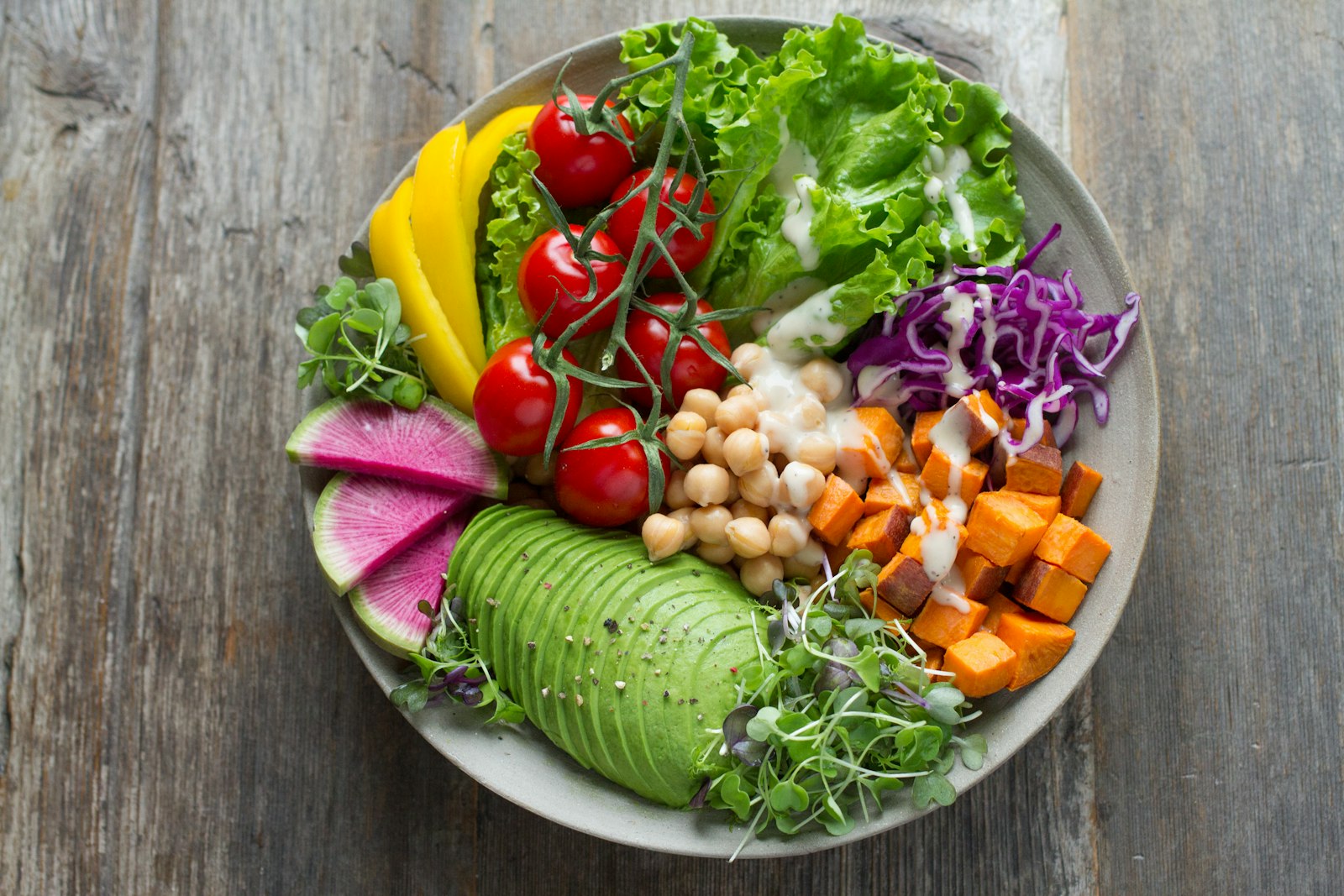
What you eat can influence the microbes in your gut. A practical starting point is to include a range of plant foods and fibre-containing foods in a way that works for you. These can include vegetables and fruit; beans, lentils and peas; oats and other whole grains; nuts and seeds; and foods containing live cultures, such as some yoghurts or kefir.
Different plants contain different fibres, which gut microbes use in different ways. There is no need to chase an exact number of plant foods or buy specialist products: adding variety gradually is a useful, achievable aim.
If you currently eat little fibre, increase it slowly and drink enough fluid. A sudden increase can cause wind or bloating. Some high-fibre foods may worsen symptoms for people with conditions such as irritable bowel syndrome, so tailor changes to your own tolerance and seek advice from a doctor or registered dietitian if you need help.
Fermented foods such as yoghurt with live cultures, kefir, kimchi, miso and sauerkraut may contain live microorganisms. The amount and type can vary, and not every fermented food contains live cultures after processing. These foods can be part of a varied diet, but they are not a guaranteed treatment.
Do you need a probiotic supplement?
Probiotics are live microorganisms that may offer a health benefit when taken in adequate amounts. Effects can depend on the specific strain, dose and reason for use. That means a probiotic marketed for one purpose may not help with another, and taking one is not automatically necessary for everyone.
If you are considering a probiotic for a health concern, ask a doctor, pharmacist or registered dietitian for advice, particularly if you have a long-term condition, a weakened immune system, are pregnant, or are considering giving one to a child. Do not stop prescribed medicines, including antibiotics, without medical advice.
A balanced view of microbiome health
The gut microbiome is an important part of human biology, but it is not a magic key to health. Research continues to explore how gut microbes relate to specific conditions and whether particular microbiome-based treatments can help. For now, be cautious about claims that a product can “detox”, “reset” or fix your gut, or that one test can tell you exactly what to eat.
Everyday habits are a sensible place to begin: eat a varied diet that suits your needs, make changes gradually, and take prescribed medicines as directed. If digestive symptoms are persistent, severe or worrying, speak to a healthcare professional.
The Health Edit shares clear, evidence-led information to help you make informed decisions about your health. This article is for general information and is not a substitute for personalised medical advice.
Further reading
The Microbiome: The Nutrition Source, Harvard T.H. Chan School of Public Health
Reviewed by
General educational information only. It does not replace advice, diagnosis or treatment from a qualified healthcare professional.