Mushrooms: why are they so good for health?
Mushrooms are low in calories and rich in fibre, B vitamins and antioxidants. Here is what the evidence says about their health benefits.
26 Oct 2026 · 5 min read
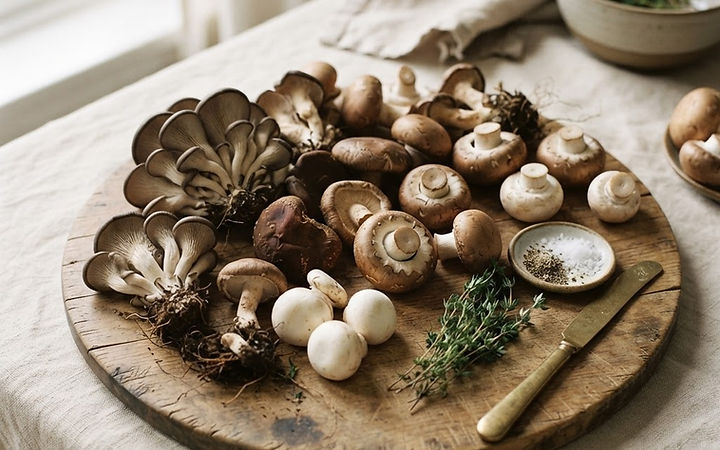
Mushrooms have moved from side dish to “superfood” headlines. They are a nutritious, versatile food, but what does the evidence actually say about their health benefits?
What nutrients do mushrooms provide?
Mushrooms are low in calories and fat, and provide:
- Fibre, including beta-glucans, a type of fibre found in fungal cell walls
- B vitamins, such as riboflavin, niacin and pantothenic acid
- Minerals, including potassium, copper and selenium
- Ergothioneine, an antioxidant compound found in particularly high amounts in mushrooms
Mushrooms and vitamin D
Mushrooms exposed to UV light, either sunlight or UV lamps during production, can produce vitamin D. Some supermarkets sell “vitamin D mushrooms” for this reason. Ordinary mushrooms grown in the dark contain very little, so check the label.
What does the research say?
- Beta-glucans: laboratory and some human studies suggest mushroom beta-glucans may interact with immune cells. Human evidence is still limited and varies between products.
- Cancer risk: a 2021 review and meta-analysis in Advances in Nutrition found that people who ate more mushrooms had a lower risk of cancer overall. These were observational studies, so they show an association, not proof that mushrooms prevent cancer.
- Brain health: some observational research from Asia has linked regular mushroom intake with better cognitive health in older adults. More research is needed.
What about mushroom supplements?
Lion’s mane, reishi, chaga and cordyceps supplements are widely marketed for focus, immunity and energy. The evidence in people is mostly small, short-term or early-stage, and product quality varies. Some supplements can interact with medicines. Speak to a healthcare professional before taking them, especially if you are pregnant, take medication or have a health condition.
Safety
Never eat wild mushrooms unless they have been identified by an expert. Some poisonous species look very similar to edible ones and can cause serious harm.
The takeaway
Mushrooms are a nutritious, low-calorie food that can add flavour, fibre and useful nutrients to meals. Enjoy them in stir-fries, soups, omelettes and stews as part of a varied diet, rather than relying on them for specific health effects.
Sources
- Ba DM et al. Higher mushroom consumption is associated with lower risk of cancer: a systematic review and meta-analysis. Advances in Nutrition. 2021.
Editorial note: This article is general health information and not individual medical or nutrition advice. If you have a medical condition, take medication or need tailored guidance, speak with a doctor or registered dietitian.
Reviewed by
General educational information only. It does not replace advice, diagnosis or treatment from a qualified healthcare professional.