Cancer & Early Detection
Understanding the signs. Exploring the science. Empowering informed choices.
Cancer affects millions of people worldwide, but our understanding of the disease — and how we detect, diagnose and treat it — continues to evolve.
From advances in screening and genetic testing to new diagnostic technologies and personalised treatments, research is opening up important possibilities.
At The Health Edit, we believe knowledge matters. Understanding potential warning signs, knowing your family history and being aware of appropriate screening options can help you have more informed conversations about your health.
Whether you're looking to understand cancer risks, explore new research or support someone affected by cancer, we're here to make complex information easier to navigate.

In-depth guides
Alcohol
Clear, non-judgemental information on how alcohol can affect health, how units work, and where to find support.
Your Health. Your Fertility. Your Future Family.
Your health today may influence your family-building choices tomorrow. Understanding your options early can make a difference.
Fertility Preservation Before Cancer Treatment: Egg, Sperm & Embryo Freezing
Some cancer treatments can affect fertility. If you might want children one day, ask about fertility preservation before treatment begins.
What You Should Know
Understand established screening options, recognise changes worth discussing with your doctor, and learn when family history may be relevant.
Read the essentialsLatest Discoveries
Explore new research in early detection, genetic testing and cancer treatments, with clear explanations of how strong the evidence is.
See the researchExplore This Topic



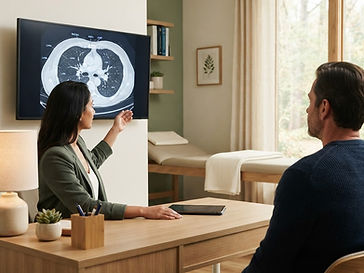
Research & Discoveries
Every research story we publish is clearly labelled, so you know how strong the evidence is.
Established evidence
Supported by robust clinical studies and guidance.
Emerging research
Promising findings that need further confirmation.
Early-stage findings
Laboratory, animal or small early studies.
- Emerging research
Breakthrough Cancer Vaccine Cuts Risk of Melanoma Returning by 42% in Landmark Trial
23 Oct 2026
Frequently Asked Questions
What are the common warning signs of cancer?
+
Signs vary by cancer type, but health services worldwide advise getting checked for things such as an unexplained lump, unexplained weight loss, a change in bowel or bladder habits, unusual bleeding, a persistent cough or a mole that changes. These are usually caused by something less serious, but it's always worth speaking to a doctor. Sources: World Health Organization; NHS (UK).
Which cancer screening programmes are available?
+
Many countries run national screening programmes, most commonly for breast, cervical and bowel (colorectal) cancer, and some offer lung cancer screening for people with a history of smoking. Which tests are offered, and at what ages, varies by country. For example, the UK's NHS and the US Preventive Services Task Force publish their own recommendations. Ask your doctor what applies where you live.
Can cancer run in families?
+
Most cancers are not caused by inherited genes, but a small proportion are linked to inherited changes such as BRCA1 or BRCA2. Several close relatives with the same or related cancers, especially at younger ages, may suggest an inherited risk worth discussing with your doctor. Sources: National Cancer Institute (US); Cancer Research UK.
What is genetic testing for inherited cancer risk?
+
It looks for specific inherited gene changes that increase the chance of developing certain cancers. In many countries it's offered through specialist genetics services to people who meet set criteria (for example, via NHS genetics services in the UK), and it should include genetic counselling before and after testing.
How is artificial intelligence being used in cancer detection?
+
AI is being researched to support clinicians in reading scans, mammograms and tissue samples. Some tools are being evaluated in health systems around the world, but most are still under study and are designed to assist, not replace, specialists.
Can lifestyle changes reduce cancer risk?
+
Yes, for some cancers. Not smoking, keeping a healthy weight, drinking less alcohol, being active, eating a balanced diet and sun safety are linked with lower risk. They can't remove risk entirely, and cancer is never anyone's fault. Sources: World Health Organization; Cancer Research UK.
Stay Curious. Stay Informed.
The latest discoveries and expert insights, delivered to your inbox.
The Health Edit provides general educational information and does not replace advice, diagnosis or treatment from a qualified healthcare professional.