Beans: a nutritious, affordable and sustainable choice
Beans are a simple, versatile source of plant protein, fibre, vitamins and minerals, and a practical way to support both your health and a more sustainable food system.
26 Oct 2026 · 5 min read
The Health Edit | Nutrition and sustainability
Beans are a simple, versatile food that can make an important contribution to a healthy, balanced diet. They are a great source of plant protein and fibre, and they also provide a range of vitamins and minerals.
They can be added to soups, stews, salads, curries and pasta dishes, or used as a lower-cost alternative to some meat products. Eating more beans can support both personal health and a more sustainable food system.
Why are beans good for you?
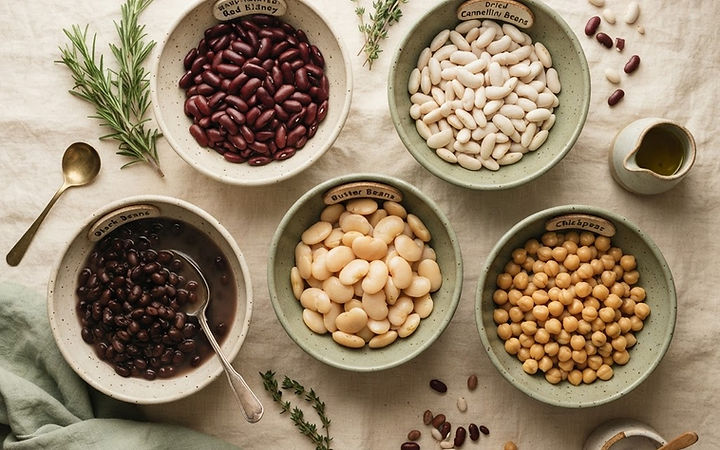
Beans, including kidney beans, cannellini beans, black beans, butter beans and baked beans, are part of the pulses family. Pulses also include lentils, chickpeas and peas.
They provide plant-based protein, which is needed for growth, repair and maintenance of the body. Protein is also important for maintaining muscle, particularly as we get older.
Beans are also rich in fibre. Fibre supports healthy digestion and can help prevent constipation. It may also help regulate blood glucose and cholesterol levels and contribute to a feeling of fullness after meals.
Despite these benefits, many adults do not eat enough fibre. Increasing the amount of beans and other pulses in the diet can be a practical way to help move towards the recommended intake.
What vitamins and minerals do beans contain?
Beans provide a variety of vitamins and minerals, although the exact amounts differ between types. They can contribute:
- iron, which is needed to make red blood cells
- folate, which is important for cell division and blood formation
- magnesium, which supports normal muscle and nerve function
- potassium, which helps maintain normal blood pressure
- zinc, which supports the immune system and wound healing
- phosphorus, which helps maintain healthy bones and teeth
Beans also contain naturally occurring plant compounds, including polyphenols, which are being studied for their potential role in health.
If you follow a vegetarian or vegan diet, beans can be an important source of protein and iron. Plant-based sources of iron are absorbed less easily than iron from meat, but eating beans alongside foods containing vitamin C, such as peppers, tomatoes or citrus fruit, can help the body absorb more of it.
How can you include more beans in your diet?
Beans are inexpensive and can be used in many different meals. You could try:
- adding chickpeas or lentils to soups, stews and curries
- mixing beans into chilli, pasta sauces or casseroles
- using mashed beans as a spread or dip
- adding butter beans or cannellini beans to salads
- replacing some of the meat in a meal with beans
- choosing baked beans, while checking the label for added salt and sugar
Tinned beans are a convenient option. Choose varieties in water where possible, and drain and rinse them to reduce the amount of salt. Dried beans can also be used, although some types need soaking and thorough cooking before they are safe to eat.
If you are not used to eating much fibre, increase your intake gradually and drink plenty of fluids. A sudden increase can cause bloating or wind, but these symptoms often improve as the body adapts.
Try our bean recipes for easy ways to get started.
Beans and sustainability
Beans generally have a lower environmental impact than many animal-based sources of protein. Growing pulses can require less land and water than producing meat, and they can produce fewer greenhouse gas emissions.
Pulses can also benefit soil. Some varieties work with bacteria around their roots to fix nitrogen from the air, reducing the need for synthetic nitrogen fertilisers. This can support soil fertility and help make crop production more sustainable.
Choosing beans more often does not mean that everyone needs to follow a completely plant-based diet. It is about making practical changes that suit your preferences, budget and health needs. Replacing some meat-based meals with bean-based meals can be one way to support a more sustainable eating pattern.
The bigger picture
Beans are not a magic food, and eating them alone cannot guarantee good health. However, they can form part of a balanced diet that includes a variety of vegetables and fruit, higher-fibre starchy foods, nuts and seeds, and suitable sources of protein.
The NHS Eatwell Guide recommends including beans, pulses, fish, eggs, meat and other sources of protein as part of a varied diet. Beans can be particularly useful because they provide both protein and fibre, two nutrients that many people may benefit from eating more regularly.
What should readers take away?
Beans are a nutritious, affordable and versatile food. They provide plant protein, fibre and a range of vitamins and minerals, including iron, folate, magnesium, potassium and zinc.
Because many adults do not eat enough fibre, adding beans and other pulses to meals can be a simple way to improve the overall quality of the diet. Eating beans more often can also help reduce reliance on higher-impact sources of protein and support more sustainable food choices.
If you have a digestive condition, food allergy or other medical concern, or if you need tailored nutrition advice, speak with a GP or registered dietitian.
Sources
- NHS. Eating a balanced diet.
- NHS. Fibre: how much do I need?
- British Dietetic Association. Food facts: pulses.
- Harvard T.H. Chan School of Public Health. The Nutrition Source: Beans.
- Food and Agriculture Organization of the United Nations. Pulses and their benefits.
Editorial note: This article provides general nutrition information and is not individual medical or dietary advice.
Reviewed by
General educational information only. It does not replace advice, diagnosis or treatment from a qualified healthcare professional.