Longevity & Healthy Ageing
Living well for longer. Understanding the science of healthy ageing.
Living longer is one thing. Living healthier for longer is another.
As research into ageing continues to develop, scientists are learning more about the biological processes involved and the factors that influence our health over time.
From cardiovascular health and movement to sleep, nutrition and preventative healthcare, many aspects of healthy ageing are connected to the choices we make and the circumstances in which we live.
At The Health Edit, we explore longevity science with curiosity and balance — separating established evidence from emerging research and exaggerated claims.
Because healthy ageing isn't about chasing eternal youth. It's about supporting quality of life at every stage.

In-depth guides
Arthritis & Joint Conditions
Joint pain and stiffness can have many causes. Get to know several common forms of arthritis, a related condition called bursitis, and how to find the right support.
Bone Health & Conditions
Bones are living tissue. Explore conditions that can affect bone strength, structure or healing, and learn when to seek an assessment.
What You Should Know
Understand the everyday habits most strongly linked with healthy ageing and the health checks available as you get older.
Read the essentialsLatest Discoveries
Explore longevity science, from biological ageing measures to treatments under investigation, separating evidence from hype.
See the researchExplore This Topic
Latest in Longevity & Healthy Ageing



Research & Discoveries
Every research story we publish is clearly labelled, so you know how strong the evidence is.
Established evidence
Supported by robust clinical studies and guidance.
Emerging research
Promising findings that need further confirmation.
Early-stage findings
Laboratory, animal or small early studies.
- Insufficient evidence
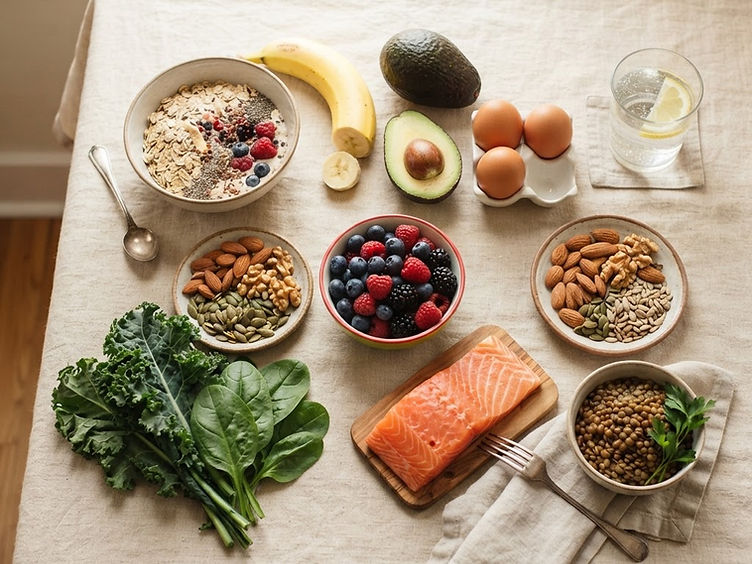
Can salmon, walnuts, green tea and dark chocolate delay ageing by 12 years?
26 Oct 2026
Frequently Asked Questions
What is the difference between lifespan and healthspan?
+
Lifespan is how long you live. Healthspan is the number of years you live in good health, free from serious illness or disability. Much of healthy ageing research focuses on extending healthspan.
Can biological ageing be measured?
+
Researchers are developing measures such as epigenetic clocks, which estimate biological age from DNA markers. They're useful in research, but they're not yet validated for guiding individual healthcare decisions.
What lifestyle factors are linked with healthy ageing?
+
Strong evidence links regular physical activity, not smoking, a balanced diet, moderate or no alcohol, good sleep and social connection with better health in later life. Wider factors like income and environment matter too.
What is longevity medicine?
+
It's an emerging field focused on preventing age-related disease and extending healthspan. Some approaches are evidence-based, like managing blood pressure, while others are still experimental, so it's worth being cautious about bold claims.
Are anti-ageing supplements supported by evidence?
+
For most products marketed as anti-ageing, there isn't strong evidence from human trials that they slow ageing. Some supplements can interact with medicines, so speak to a pharmacist or doctor first.
What health checks are recommended as we age?
+
It depends on where you live. Common checks include blood pressure, cholesterol, diabetes risk, eyesight, hearing, bone health and cancer screening at set ages. Many countries offer structured midlife health check programmes, so ask your doctor what's recommended for you.
Stay Curious. Stay Informed.
The latest discoveries and expert insights, delivered to your inbox.
The Health Edit provides general educational information and does not replace advice, diagnosis or treatment from a qualified healthcare professional.