Medical Breakthroughs
The discoveries changing what's possible.
Every day, researchers, scientists and healthcare professionals are working to better understand disease, improve diagnosis and develop new treatments.
Some discoveries transform clinical practice. Others represent promising early research that may take years to reach patients.
At The Health Edit, we follow the science behind the headlines, exploring medical innovations and explaining what they could mean for healthcare.
From artificial intelligence and regenerative medicine to new cancer treatments and advances in genetic research, we bring you the developments worth understanding.
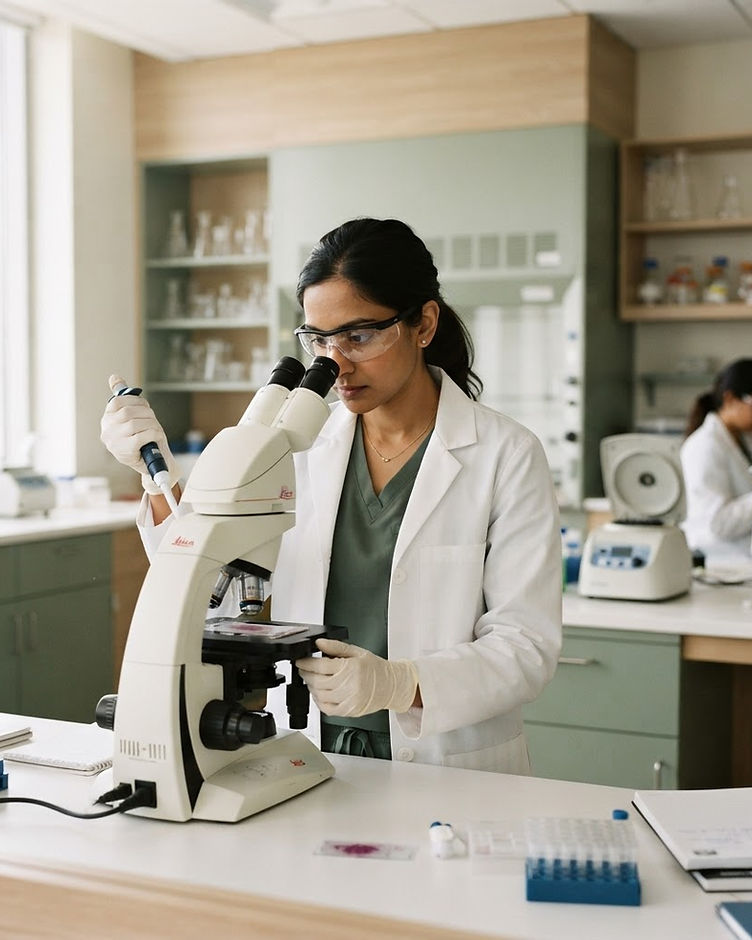
What You Should Know
Learn how to read health headlines, understand clinical trial phases and tell the difference between early findings and proven treatments.
Read the essentialsLatest Discoveries
Explore the latest developments in AI, regenerative medicine and new therapies, each labelled by the strength of its evidence.
See the researchExplore This Topic

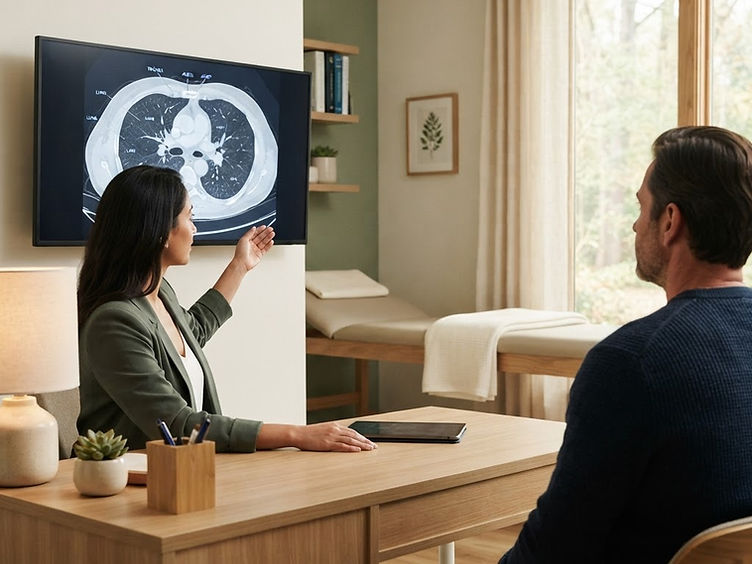
Research & Discoveries
Every research story we publish is clearly labelled, so you know how strong the evidence is.
Established evidence
Supported by robust clinical studies and guidance.
Emerging research
Promising findings that need further confirmation.
Early-stage findings
Laboratory, animal or small early studies.
- Emerging research
Breakthrough Cancer Vaccine Cuts Risk of Melanoma Returning by 42% in Landmark Trial
23 Oct 2026
Frequently Asked Questions
What are the latest medical breakthroughs?
+
We cover new developments here as they're published and reviewed. Rather than listing headlines, each article explains how strong the evidence is and how close a discovery is to reaching patients.
How long does it take for a new treatment to become available?
+
It often takes many years. A treatment must pass laboratory research and several phases of clinical trials, then be approved by a regulator, such as the FDA in the US, the EMA in Europe or the MHRA in the UK. Health systems may then assess whether to fund it.
What are clinical trial phases?
+
Phase 1 tests safety in a small group. Phase 2 looks at effectiveness and side effects in more people. Phase 3 compares the treatment with standard care in large groups. Phase 4 monitors it after approval.
How is AI changing healthcare?
+
AI is being used and tested to help analyse scans, predict risks, support administration and speed up drug discovery. Many tools are still being evaluated for accuracy, safety and fairness.
What is regenerative medicine?
+
It aims to repair or replace damaged cells, tissues or organs, using approaches such as stem cells, tissue engineering and gene therapies. A few treatments are approved, but much of the field is still experimental.
How can I tell whether a medical breakthrough is proven?
+
Look for results from large human trials published in peer-reviewed journals, and regulatory approval. Be cautious with studies in cells or animals, small studies, or claims of a 'cure'.
Related Health Topics
Stay Curious. Stay Informed.
The latest discoveries and expert insights, delivered to your inbox.
The Health Edit provides general educational information and does not replace advice, diagnosis or treatment from a qualified healthcare professional.