Breakthrough Cancer Vaccine Cuts Risk of Melanoma Returning by 42% in Landmark Trial
Scientists have reached a major milestone in cancer treatment, with a personalised mRNA vaccine significantly reducing the risk of melanoma returning or causing death. Could this be the beginning of a new era in cancer care?
23 Oct 2026 · 8 min read
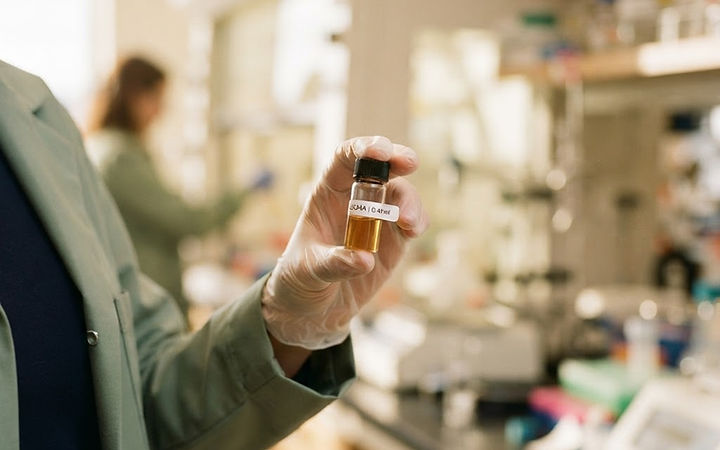
A groundbreaking cancer vaccine is offering fresh hope to people diagnosed with melanoma, one of the most serious forms of skin cancer.
In a major international clinical trial involving more than 1,100 patients, researchers found that a personalised mRNA cancer vaccine reduced the risk of cancer recurrence or death by 42% when combined with an existing immunotherapy treatment. This is a relative reduction in risk, not a 42% cure rate.
The results represent a significant advance in personalised cancer medicine, potentially opening the door to treatments that use a patient's own tumour characteristics to help their immune system fight cancer.
The vaccine, called intismeran autogene, is being developed by pharmaceutical companies Moderna and Merck (known as MSD outside the United States).
Unlike traditional vaccines designed to prevent infections, this treatment is created specifically for someone who has already been diagnosed with cancer.
And while it is not yet available as a routine treatment, researchers believe the findings could have implications far beyond melanoma.
Key takeaways
- 42% lower risk: Patients receiving the personalised vaccine alongside immunotherapy had a 42% lower relative risk of melanoma recurrence or death.
- 1,137 patients: The phase 3 trial involved people with high-risk melanoma that had been surgically removed.
- Personalised treatment: Each vaccine is designed using genetic information from the patient's tumour.
- Potential beyond skin cancer: Similar approaches are being investigated for other cancers.
- Not yet approved: Regulatory review and further assessment are needed before routine patient access.
How does the new cancer vaccine work?
One of the most exciting aspects of this research is that the vaccine is designed around each individual patient's cancer.
Cancer cells can carry abnormal proteins known as neoantigens, which help distinguish them from healthy cells.
Scientists analyse a sample of the patient's tumour to identify these unique characteristics. They then use messenger RNA (mRNA) technology to create a personalised vaccine that teaches the immune system what to recognise and attack.
The aim is to help the body's immune defences identify and destroy cancer cells that may remain after surgery, potentially preventing the disease from returning.
The vaccine is administered alongside pembrolizumab, an established immunotherapy drug also known as Keytruda.
Pembrolizumab helps immune cells overcome signals that cancers use to avoid detection, while the vaccine directs the immune system towards the specific characteristics of the patient's tumour.
Together, the two treatments may provide a more targeted approach to preventing cancer recurrence.
What did the clinical trial discover?
The international phase 3 study, known as INTerpath-001, involved 1,137 patients with high-risk stage IIB to IV melanoma who had undergone surgery.
The research was conducted across 157 clinical trial sites worldwide and led by Professor Georgina Long of Melanoma Institute Australia.
Patients received either:
- Personalised mRNA cancer vaccine plus pembrolizumab.
- Pembrolizumab immunotherapy alone.
The results showed a significant improvement for patients receiving the combination treatment.
| Treatment | Recurrence-free at two years | |---|---| | Vaccine + immunotherapy | 82% | | Immunotherapy alone | 70% |
Reported INTerpath-001 phase 3 trial outcomes; percentages are rounded.
The study also reported a 38% relative reduction in the risk of distant cancer spread or death.
Importantly, the headline 42% figure represents a relative reduction in risk over the study period, not a guarantee that 42% of patients will be cured.
Longer-term follow-up is still needed to establish whether the vaccine improves overall survival and how durable its benefits will be.
Why is this being called a breakthrough?
For decades, researchers have explored whether the immune system could be trained to recognise cancer with the same precision used to target certain infections.
This trial provides strong clinical evidence that a personalised mRNA-based treatment can improve outcomes when added to established immunotherapy.
Professor Georgina Long, the trial's global principal investigator, described the findings as a foundational shift in how cancer could be treated.
The research is particularly important because it moves personalised mRNA cancer vaccination beyond small, early-stage studies into a large phase 3 trial.
It also demonstrates the potential of combining genetic sequencing, vaccine technology and immunotherapy to develop more individualised treatments.
Could personalised cancer vaccines treat other cancers?
Although this study focused on melanoma, scientists are investigating whether similar technology could be used against other cancers.
Research programmes are exploring personalised cancer vaccines for conditions including:
- Lung cancer
- Kidney cancer
- Bladder cancer
- Pancreatic cancer
- Other solid tumours
The principle is promising: identify characteristics unique to a patient's cancer and train the immune system to recognise them.
However, cancers differ considerably in how they develop, evade immune detection and respond to treatment.
Success in melanoma does not automatically mean the same approach will work for every cancer.
Further clinical trials will be essential to establish which cancers and patients could benefit most.
Is the cancer vaccine safe?
The trial reported that the combination treatment was generally well tolerated.
Side effects associated with the vaccine included temporary injection-site discomfort, headache and chills.
Researchers reported that adding the vaccine did not increase the side effects associated with pembrolizumab.
Nevertheless, immunotherapy can cause significant immune-related complications, and the long-term safety profile of this personalised combination will continue to be evaluated.
Patients considering immunotherapy should discuss the potential benefits and risks with their oncology team.
When will the melanoma cancer vaccine become available?
Despite the encouraging results, intismeran autogene remains an investigational treatment.
Moderna and Merck are engaging with regulatory authorities, but approval and routine availability will depend on further assessment.
In the United States, the Food and Drug Administration (FDA) would need to review the evidence.
In the United Kingdom, approval by the Medicines and Healthcare products Regulatory Agency (MHRA), followed by relevant NHS access and funding decisions, would be important steps.
Other countries, including Australia and European nations, have their own regulatory and reimbursement processes.
There is currently no confirmed date for widespread availability.
People undergoing treatment for melanoma should not delay or change existing treatment because of these findings. Their oncology specialist can advise on approved therapies and potential clinical trial opportunities.
What could this mean for the future of cancer treatment?
The possibilities extend beyond one vaccine or one type of cancer.
Personalised cancer vaccines represent a growing movement towards precision medicine, where treatments are designed around the biological characteristics of an individual patient's disease.
In the future, advances in genetic sequencing, artificial intelligence and vaccine manufacturing could make it possible to develop increasingly targeted therapies.
Researchers will also need to address practical challenges, including how quickly personalised vaccines can be produced, their cost and whether healthcare systems can make them accessible to patients worldwide.
The long-term ambition is not simply to treat cancer more effectively, but to reduce the likelihood of it returning and help more people live longer, healthier lives.
The Health Edit perspective
Cancer treatment has already undergone extraordinary changes over recent decades, particularly through the development of immunotherapy and targeted medicines.
This latest research offers another reason for optimism.
For people living with cancer, and for families facing the uncertainty of recurrence, the possibility of treatments designed around an individual's own tumour is especially meaningful.
But scientific progress requires careful evaluation. These findings are promising, not a universal cure, and access will depend on successful regulatory review.
What makes this development so significant is the potential to change how cancer is treated — moving towards more precise, personalised care that could eventually benefit patients around the world.
At The Health Edit, we believe understanding the science behind medical breakthroughs helps people make more informed decisions about their health.
Frequently asked questions
What is the new cancer vaccine called?
The vaccine is called intismeran autogene, also known as mRNA-4157 or V940. It is being developed by Moderna and Merck.
Does the cancer vaccine cure melanoma?
No. The trial found that the vaccine, combined with immunotherapy, reduced the risk of melanoma returning or causing death. It has not been shown to cure every patient.
How effective is the melanoma vaccine?
The phase 3 study reported a 42% relative reduction in recurrence or death compared with pembrolizumab alone. Approximately 82% of patients receiving the combination remained recurrence-free at two years, compared with 70% receiving immunotherapy alone.
Is this the same technology used in COVID-19 vaccines?
Both use messenger RNA technology. However, this cancer vaccine is individually designed to target tumour-specific characteristics rather than a virus.
Can people in the UK, US or Australia receive it now?
The vaccine is not yet approved for routine use. Access may be possible through eligible clinical trials, depending on location and recruitment status.
Will personalised cancer vaccines replace chemotherapy?
Not necessarily. Cancer treatment is complex, and future vaccines may complement surgery, chemotherapy, radiotherapy, immunotherapy or targeted treatments rather than replace them.
Sources and further reading
This article is based on the reported phase 3 INTerpath-001 findings, including information released by Melanoma Institute Australia and coverage of the clinical trial.
- Melanoma Institute Australia – trial findings and expert commentary (Scimex)
- Associated Press – personalised mRNA melanoma vaccine trial
- News.com.au – original news report
Research status: Phase 3 clinical trial results reported; peer-reviewed full publication pending. This article is for educational purposes and does not replace medical advice.
Reviewed by
General educational information only. It does not replace advice, diagnosis or treatment from a qualified healthcare professional.